Chapter 3: What AI Is Not
Overview
AI can look impressive, but it is often misunderstood. To use AI wisely, it’s just as important to understand what AI cannot do as what it can do.
This chapter highlights the common misconceptions about artificial intelligence so you can work with it more confidently and responsibly.
AI Is Not Human
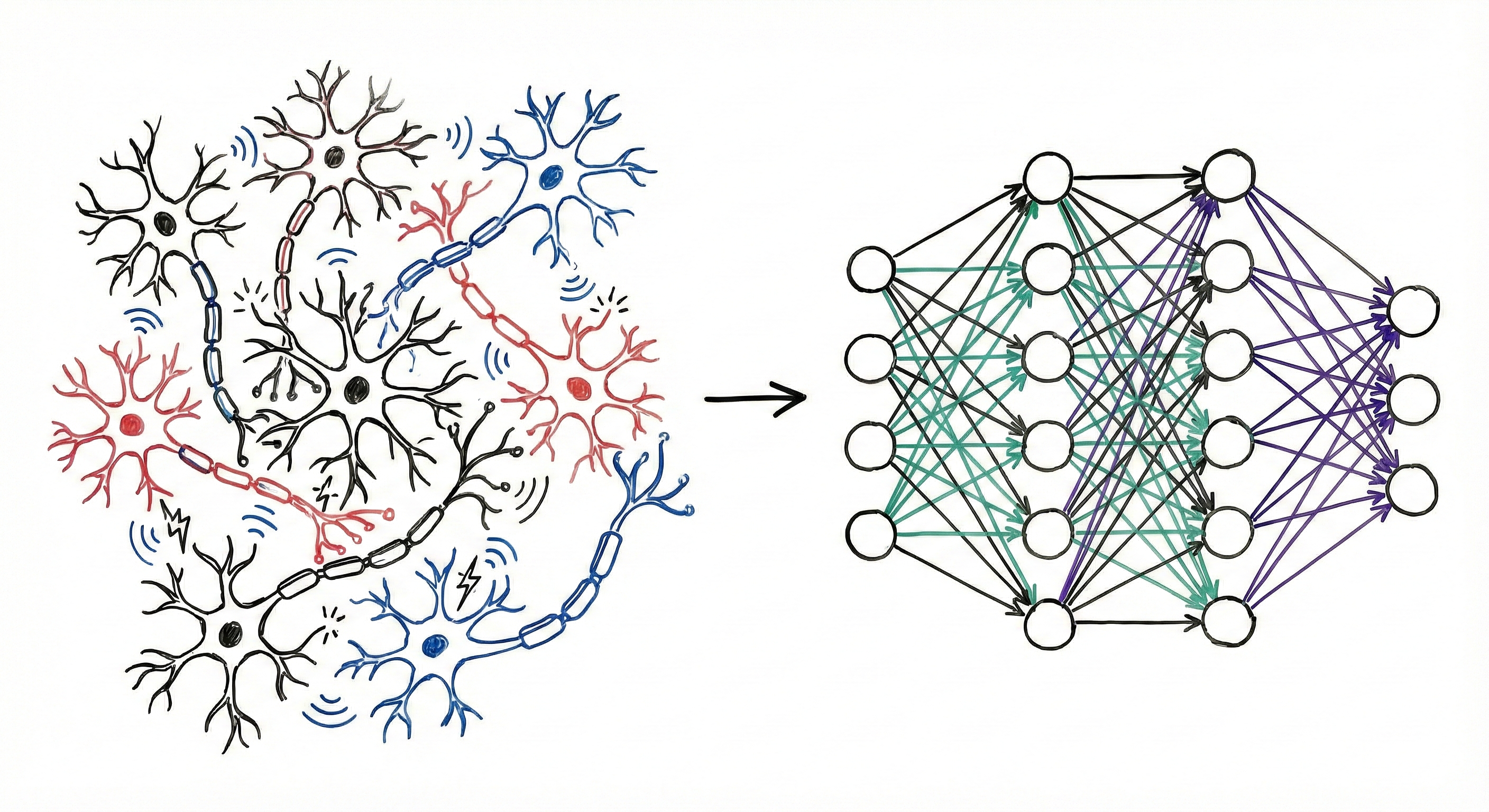
AI does not think, feel, or understand the world the way humans do. It does not have emotions, intentions, self-awareness, or lived experience.
Even when AI gives an answer that sounds thoughtful or creative, it is generating patterns based on data — not forming original thoughts.
AI Is Not Always Right
AI systems can be extremely confident and still be wrong. When an AI gives incorrect or invented information, we call this a hallucination.
Hallucinations happen because AI predicts patterns — it does not verify facts. If the training data contains gaps, mistakes, or bias, those issues can appear in the output.
AI's confidence should not be mistaken for accuracy. Human judgment and fact-checking remain essential.
AI Is Not Magic
AI may look magical from the outside, but underneath it is math, statistics, probability, and algorithms operating at massive scale.
AI cannot see the future. It cannot read your mind. It cannot understand meaning the way humans do. It recognizes patterns from past data and predicts what is most likely.
Understanding AI as a powerful pattern machine — not a mystical oracle — is key to using it responsibly.
AI Is Not a Replacement for Human Judgment
AI can suggest, generate, and recommend, but it cannot fully understand context, ethics, nuance, or personal experience. These human elements are critical for making real decisions.
This is especially important in areas like medicine, law, education, finance, hiring, and safety — fields where human oversight is non-negotiable.
Treat AI as a powerful tool, not an authority. You decide what to trust, what to use, and what to ignore.
Key Takeaway
AI is powerful, but it is also limited. It is not a brain, not an oracle, and not a replacement for human thought.
It works best when paired with human judgment, critical thinking, creativity, and ethical decision-making.
End of Chapter 3: What AI Is Not